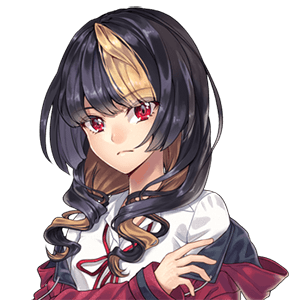
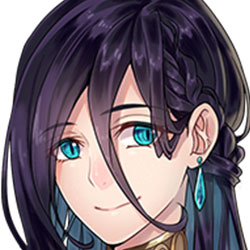
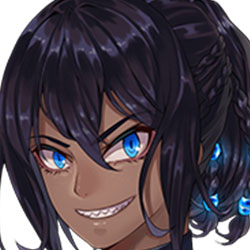
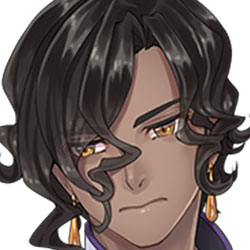
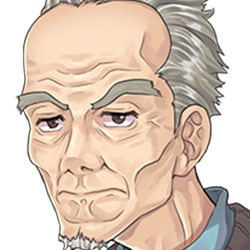
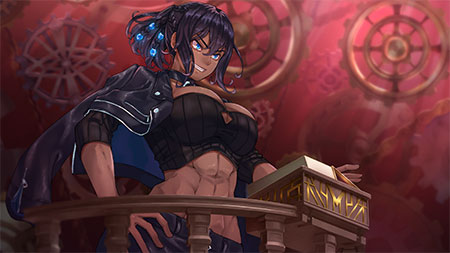
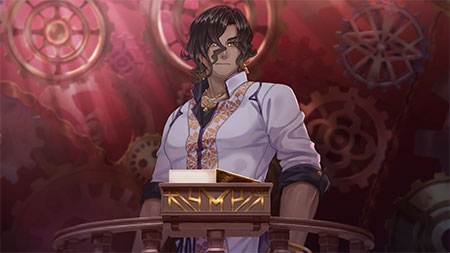
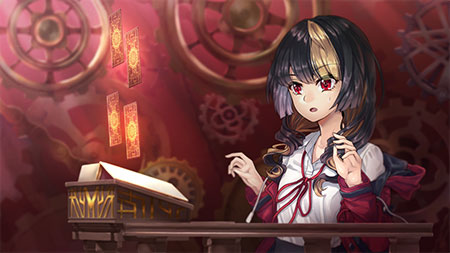
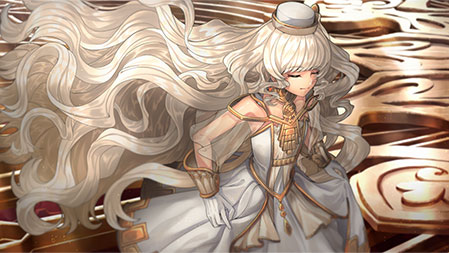
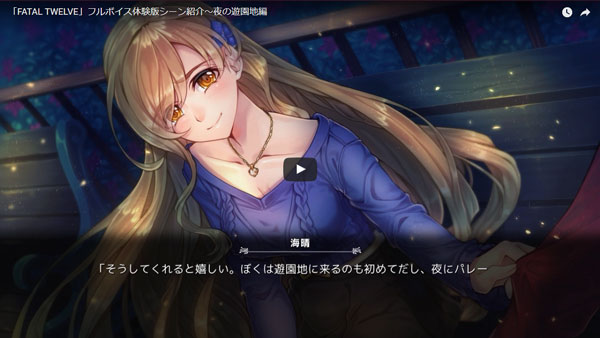
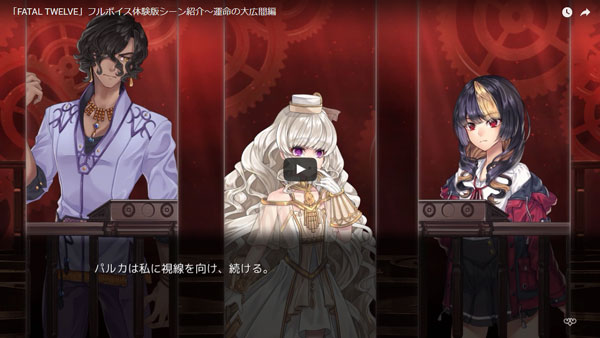
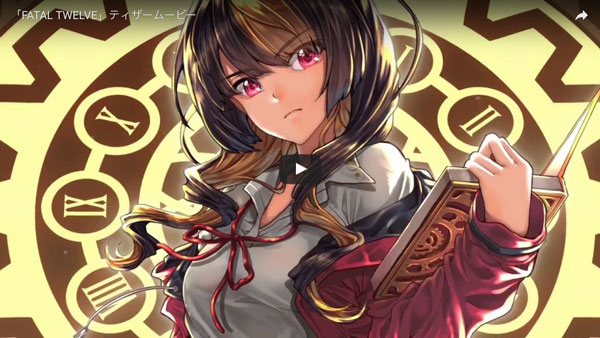
"Good evening, my lovely little slaves to fate."
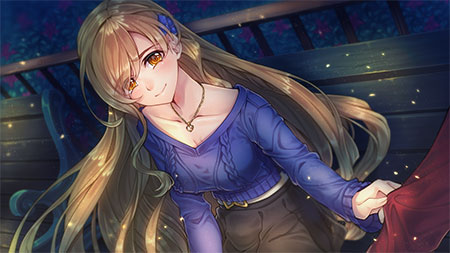
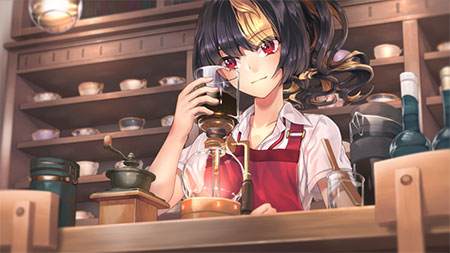
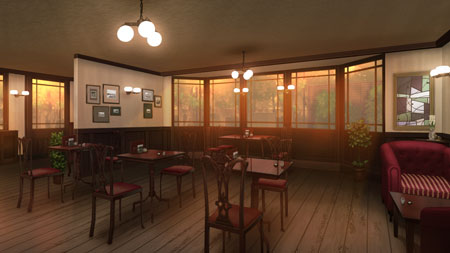
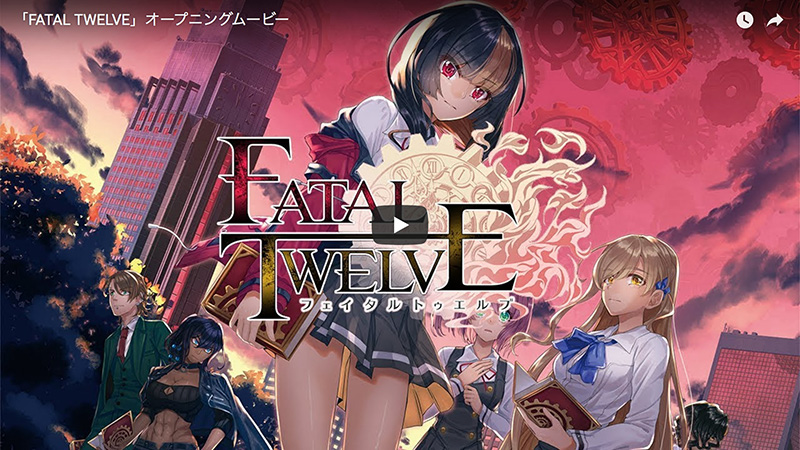
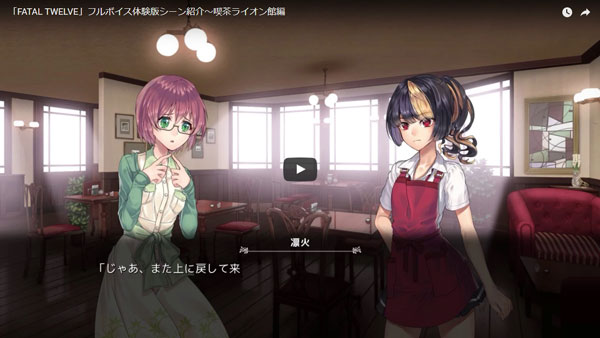
Shishimai Rinka was a highschooler who ran a small café named Lion House in place of her grandmother. She lived her life much like any other person her age, but one day, she was caught up in an explosion while returning home on the train alongside her friend, Hitsuji Naomi. In an attempt to save her friend's life, she shields her on instinct the moment the explosion goes off, losing her life in the process. However, before she knew it, she was back at Lion House, happily chatting with her friends as if nothing had happened in the first place.
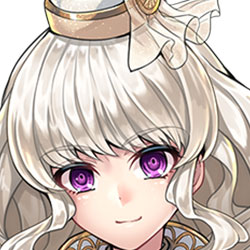
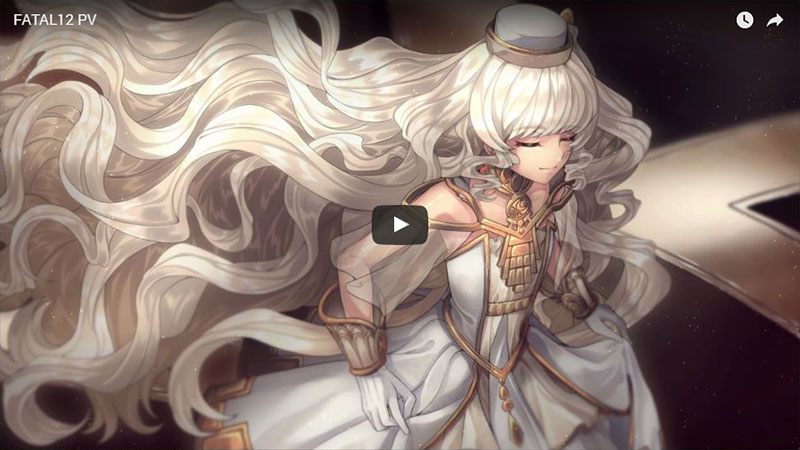
A few days later, she found herself in a strange world. Here she met Parca, an odd girl claiming to be a goddess. It turns out that she had somehow become a participant in Divine Selection, a ritual carried out over twelve weeks by twelve people, which allowed them to compete in order to undo their deaths. What shocked Rinka most of all, however, was the presence of her friend Mishima Miharu amongst the twelve.
In order to make it through Divine Selection, one must eliminate others by gathering information regarding their name, cause of death and regret in the real world, then "electing" them.
This turn of events would lead to her learning about the truth behind her death, as well as her own personal regrets. She would also come to face the reality that Miharu was willing to throw her life away for her sake, as well as the extents to which the other participants would go to in order to live through to the end.
Far more experiences than she ever could have imagined awaited her now, but where will her resolve lead her once all is said and done...?
In the television industry, an is the initial prototype of a show that is produced but never broadcast to the general public. These episodes serve as a "proof of concept" for networks to evaluate a series' potential, often resulting in significant changes to the cast, tone, or script before a show officially premieres. The Purpose of a Pilot
: Frequently, specific actors are replaced after the pilot because they lack chemistry with the leads. For example, the Full House pilot originally featured John Posey as Danny Tanner before Bob Saget took over for the aired series. 1.Unaired Pilot
A pilot episode acts as a template for a series. It allows creators to demonstrate how the story will look and feel, and it gives network executives a tangible product to test with focus groups. For instance, the original unaired pilot for Star Trek , titled "The Cage," featured a completely different captain and tone before being reworked into the series viewers know today. Common Reasons for "Unaired" Status In the television industry, an is the initial
: Networks may like the concept but dislike the execution. The MacGyver reboot underwent a massive transformation between its first unaired pilot and the final version that made it to air, including changes to the supporting cast and overall narrative direction. For example, the Full House pilot originally featured
: Some pilots are aired within existing shows to gauge interest. Shows like Happy Days began as segments within anthology series like Love, American Style before becoming independent hits. Notable Examples in TV History Show Title Status of Original Pilot Notable Changes Star Trek Never aired in original form Capt. Pike was replaced by Capt. Kirk. Full House Available on home media Different lead actor for the father. Daria "Sealed with a Kick" (Unaired) Early pencil-sketch animation style. Get a Life One unaired pilot exists Used different production locations. Cultural and Historical Value
Unaired pilots have become holy grails for television historians and fans. They provide a "what if" look at what a show could have been. Often, these episodes only see the light of day years later as "special features" on DVD sets or through unauthorized online leaks, allowing viewers to see the raw, sometimes clunky evolution of their favorite characters.
In the television industry, an is the initial prototype of a show that is produced but never broadcast to the general public. These episodes serve as a "proof of concept" for networks to evaluate a series' potential, often resulting in significant changes to the cast, tone, or script before a show officially premieres. The Purpose of a Pilot
: Frequently, specific actors are replaced after the pilot because they lack chemistry with the leads. For example, the Full House pilot originally featured John Posey as Danny Tanner before Bob Saget took over for the aired series.
A pilot episode acts as a template for a series. It allows creators to demonstrate how the story will look and feel, and it gives network executives a tangible product to test with focus groups. For instance, the original unaired pilot for Star Trek , titled "The Cage," featured a completely different captain and tone before being reworked into the series viewers know today. Common Reasons for "Unaired" Status
: Networks may like the concept but dislike the execution. The MacGyver reboot underwent a massive transformation between its first unaired pilot and the final version that made it to air, including changes to the supporting cast and overall narrative direction.
: Some pilots are aired within existing shows to gauge interest. Shows like Happy Days began as segments within anthology series like Love, American Style before becoming independent hits. Notable Examples in TV History Show Title Status of Original Pilot Notable Changes Star Trek Never aired in original form Capt. Pike was replaced by Capt. Kirk. Full House Available on home media Different lead actor for the father. Daria "Sealed with a Kick" (Unaired) Early pencil-sketch animation style. Get a Life One unaired pilot exists Used different production locations. Cultural and Historical Value
Unaired pilots have become holy grails for television historians and fans. They provide a "what if" look at what a show could have been. Often, these episodes only see the light of day years later as "special features" on DVD sets or through unauthorized online leaks, allowing viewers to see the raw, sometimes clunky evolution of their favorite characters.