Best Buy Tv Syndrome âš¡ Latest

: Retailers often turn on high-motion interpolation to make demo reels look fluid. Many viewers find this creates a "Soap Opera Effect" that looks artificial for movies and TV shows. Avoid Common Purchase Pitfalls

: Professional showroom lighting is designed to minimize glare and maximize the screen's perceived contrast. Most home environments have warmer, dimmer lighting that doesn't support these extreme settings. How to Fix It at Home When you set up a new TV, avoid the "Best Buy syndrome" by: best buy tv syndrome

: Some experts suggest being wary of "original" prices during sales, as they may be inflated to make the discount appear larger than it is. : Retailers often turn on high-motion interpolation to

: Manufacturers ship TVs with a "Store Demo" or "Vivid" profile enabled. This cranks the brightness and saturation to their absolute maximum to grab your attention. Most home environments have warmer, dimmer lighting that

: Change the setting from "Vivid" or "Dynamic" to "Cinema," "Movie," or "Filmmaker Mode." These modes are calibrated to be more color-accurate.

"Best Buy TV syndrome" refers to a phenomenon where televisions appear more vibrant and appealing in a store environment—like a Best Buy showroom—than they do once you get them home. This is primarily caused by , a specific setting retailers use to make screens stand out under bright, fluorescent warehouse lighting. Why TVs Look Different in the Store



Commentary volume

Commentary volume

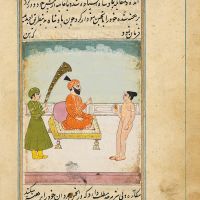
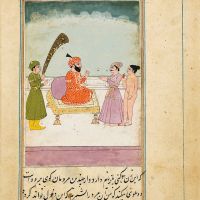
Lazzat al-nisâ (The pleasure of women)

Bibliothèque nationale de France


CONTENTS
 
  • From the Editor to the Reader
 
  • Lazzat al-nisâ and Its Significance in the Erotic Literature of the Persianate World.
Hormoz Ebrahimnejad (University of Southampton)
 
  • Lazzat al-nisâ. Translation.
Willem Floor (Independent Scholar), Hasan Javadi (University of California, Berkeley) and Hormoz Ebrahimnejad (University of Southampton)


ISBN : 978-84-16509-20-1

Commentary volume available in English, French or Spanish.

Lazzat al-nisâ (The pleasure of women) Bibliothèque nationale de France


Descripcion

Description

Lazzat al-nisâ (The pleasure of women)

Bibliothèque nationale de France


In Muslim India numerous treatises were written on sexology. Many of them included prescriptions concerning problems dealing with virility or, more precisely, with masculine sexual arousal. The Sanskrit text which is considered the primary source for all Persian translations is known as the Koka Shastra (or Ratirahasya) —derived from its author’s name, Pandit Kokkoka—, a title that was later given to all treatises in the genre. The Koka Shastra by Kokkoka was probably not the only such text known to Muslim authors.

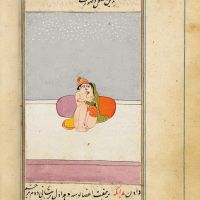
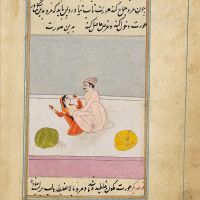
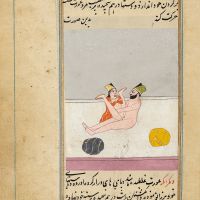
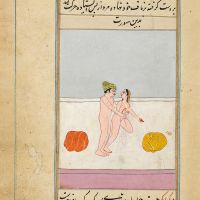
The Lazzat al-nisâ is a Persian translation of the Koka Shastra, which contains descriptions of the four different types of women and indicates the days and hours of the day in which each type is more prone to love. The author quotes all the different works he has consulted, which have not survived to this day.


: Retailers often turn on high-motion interpolation to make demo reels look fluid. Many viewers find this creates a "Soap Opera Effect" that looks artificial for movies and TV shows. Avoid Common Purchase Pitfalls

: Professional showroom lighting is designed to minimize glare and maximize the screen's perceived contrast. Most home environments have warmer, dimmer lighting that doesn't support these extreme settings. How to Fix It at Home When you set up a new TV, avoid the "Best Buy syndrome" by:

: Some experts suggest being wary of "original" prices during sales, as they may be inflated to make the discount appear larger than it is.

: Manufacturers ship TVs with a "Store Demo" or "Vivid" profile enabled. This cranks the brightness and saturation to their absolute maximum to grab your attention.

: Change the setting from "Vivid" or "Dynamic" to "Cinema," "Movie," or "Filmmaker Mode." These modes are calibrated to be more color-accurate.

"Best Buy TV syndrome" refers to a phenomenon where televisions appear more vibrant and appealing in a store environment—like a Best Buy showroom—than they do once you get them home. This is primarily caused by , a specific setting retailers use to make screens stand out under bright, fluorescent warehouse lighting. Why TVs Look Different in the Store

Cookie preferences

We use our own and third-party cookies to improve our services by analyzing your browsing habits. For more information, you can read our cookie policy. You can accept all cookies, configure them, or reject their use by clicking one of the buttons below.