: Treat children as active participants and "agents of change" who can influence their families and communities. This includes involving them in decision-making and practical sustainability projects.
The book connects educational practices to major global frameworks: Children and Sustainable Development: Ecologica...
The book (2017) explores the role of children as vital agents of change in achieving global sustainability goals. Based on a 2015 Pontifical Academy of Sciences workshop , the text outlines how education and child development must adapt to face modern challenges like climate change, poverty, and inequality. Core Features of Ecological Education for Children : Treat children as active participants and "agents
For practical application, resources like the application by UNESCO provide activities adapted for children up to age 8, focusing on nature, economy, and citizenship. Children and Sustainable Development - Springer Nature Based on a 2015 Pontifical Academy of Sciences
: Integrate scientific, social, and spiritual perspectives of ecology rather than teaching them in isolation. Focus on themes like interdependence, empathy, and belonging.
: Specifically focusing on quality education (SDG 4) and climate action (SDG 13).
: Incorporating the spiritual and ethical call to care for our "common home" as outlined by Pope Francis.
%20(8).jpg)
Start Ashtanga yoga with these 10 easy beginner-friendly poses. Clear instructions, modifications, and benefits. No experience needed - practice today!

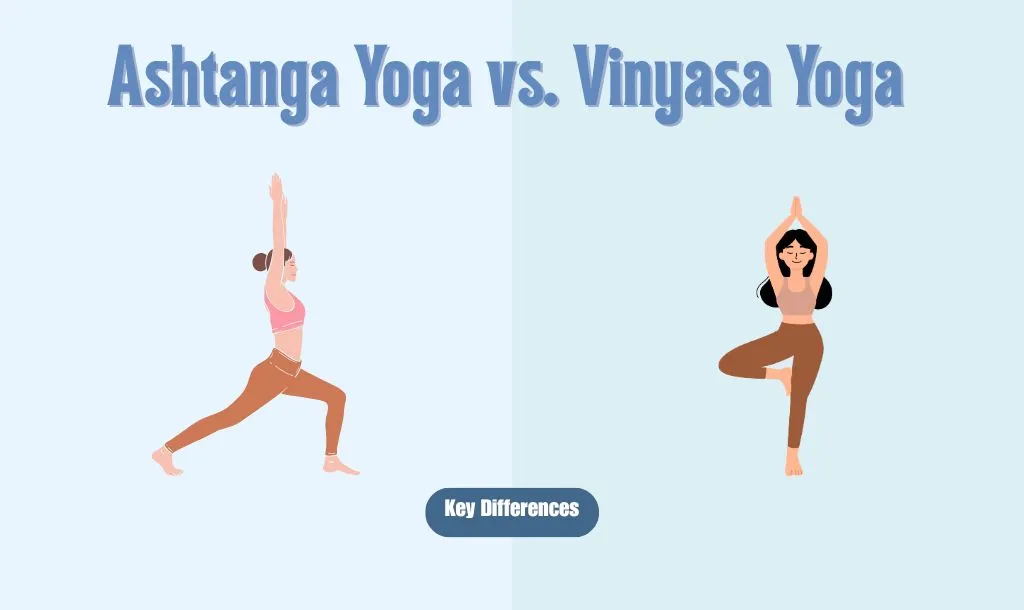
Ashtanga vs. Vinyasa yoga: Learn how these yoga styles differ in flow, structure, and philosophy. Find the perfect fit for your journey and goals!
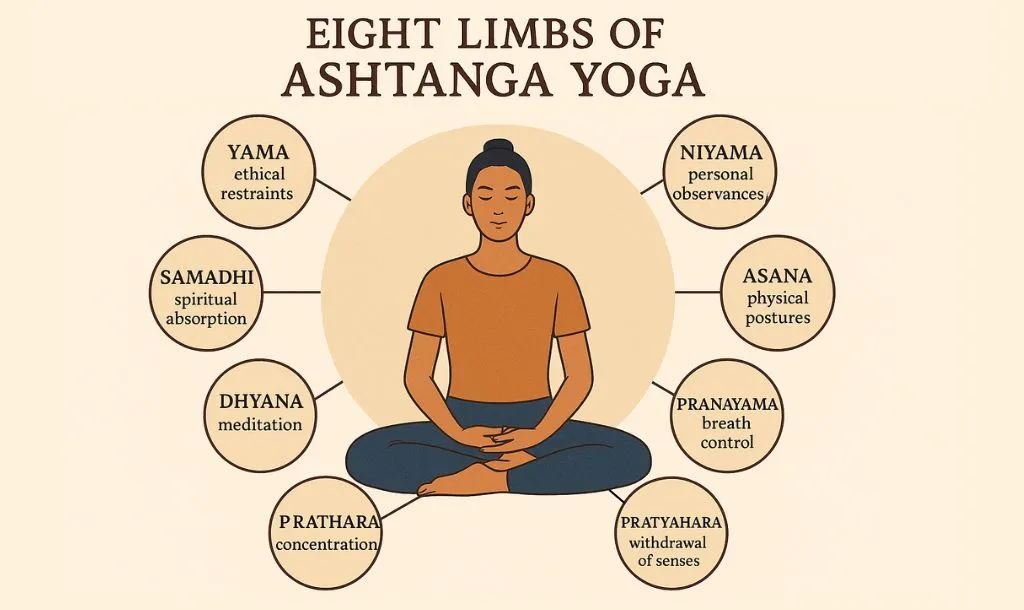
Discover the 8 limbs of Ashtanga Yoga from Patanjali's ancient wisdom. Learn each limb's meaning and how to apply it in modern practice. Start your journey today!


© Copyright 2025 MyYogaTeacher Inc