Ivanka Stefanovic 1976 - Zasto Se Mora Rastajat... May 2026

This essay explores the cultural and emotional resonance of the 1976 song (Why Must One Part), performed by Ivanka Stefanović.

While Ivanka Stefanović is often associated with traditional folk songs like "Lepo ti je biti čobanica" and "Mila majko šalji me na vodu," this 1976 release showcased her ability to handle more complex, original lyrical narratives. Today, the song remains a cherished artifact for collectors of Yugoslav vinyl and fans of authentic Balkan vocalists, preserved through digital archives on platforms like YouTube and documented by music databases such as Discogs . Ivanka Stefanovic 1976 - Zasto se mora rastajat...

pesma iz 1976. godine muzika: Petar Tanasijević tekst: Mirjana Ilić i Radmila Todorović ansambl Branimira Đokića. YouTube·v2all Ivanka Stefanovic - Zasto se mora rastati - (Audio 1976) HD This essay explores the cultural and emotional resonance

The year 1976 in the Yugoslav music scene was marked by the release of a soul-stirring single that would become a staple of traditional folk melancholy: Ivanka Stefanović’s . Accompanied by the renowned Ansambl Branimira Đokića (and Baneta Đokića), the song is a profound meditation on the inevitability of separation, a theme deeply rooted in the "novokomponovana narodna muzika" (newly composed folk music) of that era. pesma iz 1976

The title itself, a poignant question— Why must one part? —serves as the central thesis of the piece. Unlike many contemporary tracks that focused on celebration, this song delved into the universal human experience of loss and the sorrow of final goodbyes. Stefanović’s interpretation captured the quiet dignity of heartbreak, reflecting a society that valued the poetic expression of "sevdah" or deep longing.

Watch Now
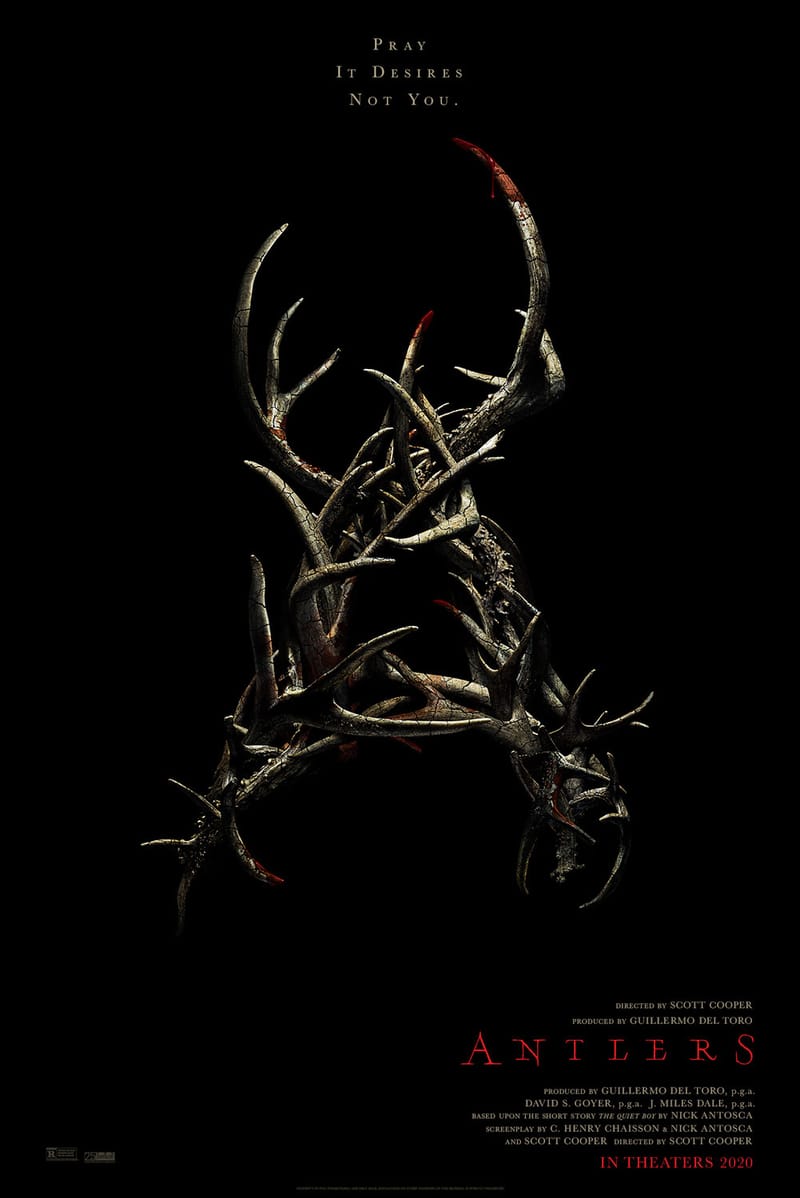
Antlers
Watch Now
Spend a moment in this story...
Buy On
Ivanka Stefanovic 1976 - Zasto se mora rastajat...
Rent On
Ivanka Stefanovic 1976 - Zasto se mora rastajat...
Antlers Official Trailer

Antlers

Official Trailer

In ANTLERS, a small-town Oregon teacher (Keri Russell) and her brother (Jesse Plemons), the local sheriff, discover that a young student (Jeremy T. Thomas) is harboring a dangerous secret with frightening consequences.

Directed by:
Scott Cooper
Screenplay by:
Henry Chaisson
Nick Antosca
 Scott Cooper
Produced by:
Guillermo del Toro
J. Miles Dale
David S. Goyer
Cast:
Keri Russell
Jesse Plemons
Jeremy T. Thomas

This essay explores the cultural and emotional resonance of the 1976 song (Why Must One Part), performed by Ivanka Stefanović.

While Ivanka Stefanović is often associated with traditional folk songs like "Lepo ti je biti čobanica" and "Mila majko šalji me na vodu," this 1976 release showcased her ability to handle more complex, original lyrical narratives. Today, the song remains a cherished artifact for collectors of Yugoslav vinyl and fans of authentic Balkan vocalists, preserved through digital archives on platforms like YouTube and documented by music databases such as Discogs .

pesma iz 1976. godine muzika: Petar Tanasijević tekst: Mirjana Ilić i Radmila Todorović ansambl Branimira Đokića. YouTube·v2all Ivanka Stefanovic - Zasto se mora rastati - (Audio 1976) HD

The year 1976 in the Yugoslav music scene was marked by the release of a soul-stirring single that would become a staple of traditional folk melancholy: Ivanka Stefanović’s . Accompanied by the renowned Ansambl Branimira Đokića (and Baneta Đokića), the song is a profound meditation on the inevitability of separation, a theme deeply rooted in the "novokomponovana narodna muzika" (newly composed folk music) of that era.

The title itself, a poignant question— Why must one part? —serves as the central thesis of the piece. Unlike many contemporary tracks that focused on celebration, this song delved into the universal human experience of loss and the sorrow of final goodbyes. Stefanović’s interpretation captured the quiet dignity of heartbreak, reflecting a society that valued the poetic expression of "sevdah" or deep longing.